

Kitchen Countertop Materials: How to Choose the Right Surface
There are so many kitchen countertop materials on the market that choosing one can feel more daunting than exciting. Quartz or quartzite, honed marble or butcher block: every surface asks something different of you, and the names alone don't tell you much. Whether you're renovating a Connecticut colonial or furnishing a new build, the countertop is the hardest-working surface in the house, and the one you'll touch every day. This guide walks through the main types of countertops: what each material is genuinely good at, and where it falls short.
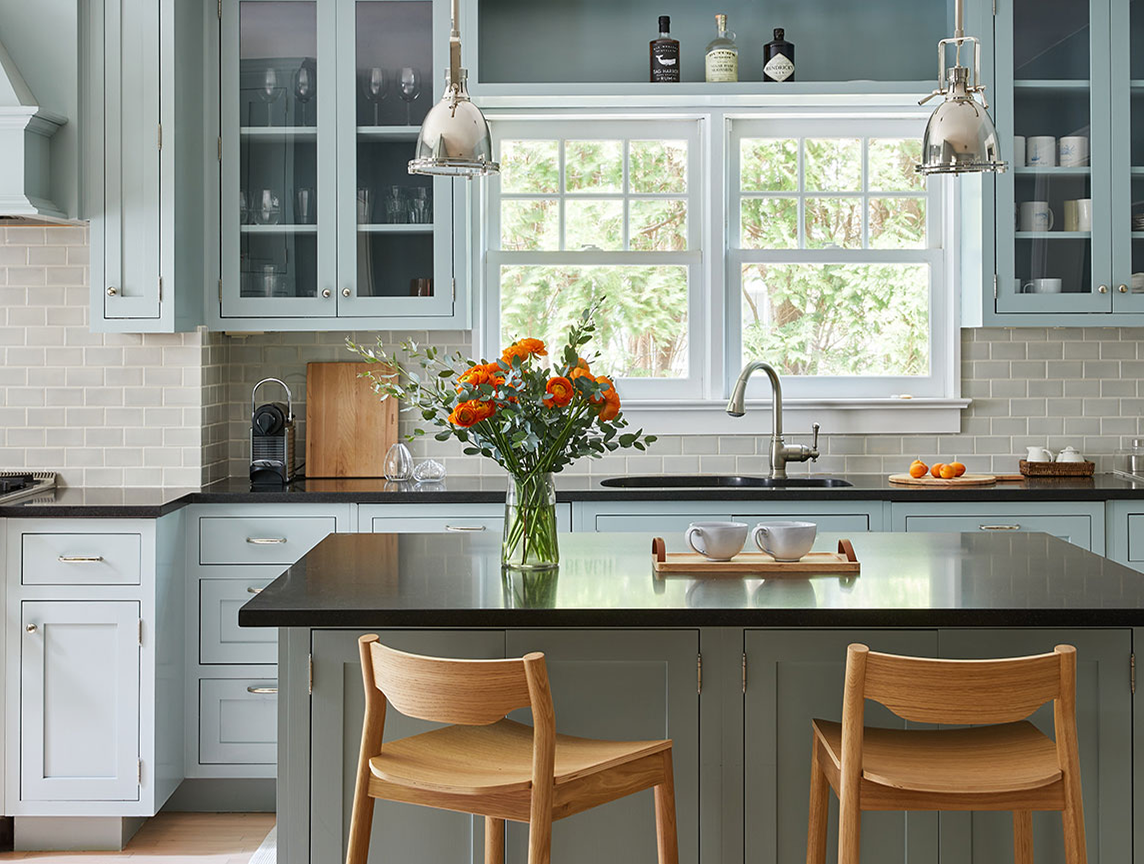
The kitchen of our Southampton, NY coastal refresh, black granite countertops and duck-egg cabinetry in a summer house remade for the light. Photography: Kirsten Francis
How to Choose a Kitchen Countertop Material
The right kitchen countertop material balances four things: how you want the kitchen to look, how durable the surface needs to be for the way you actually live, how much daily upkeep you're willing to do, and what you're comfortable spending. Balance those four, and the rest of the decision gets much easier.
A material that looks the most appealing isn't always the one that holds up in a busy family kitchen, and the most durable option isn't always the one that feels right in a more traditional or elegant room. Barbra Fordyce, founder of Ginger Lemon Indigo, trained at the New York School of Interior Design and is an Allied member of ASID. What follows reflects what has held up in practice, in real kitchens.
“A countertop has to earn its place. It should look right on installation day and still make sense after years of real use.”
Natural Stone Countertops
Natural stone countertops include quartzite, granite, marble, soapstone and limestone. Every slab is different, with its own veining and movement, which is part of why stone looks interesting and feels timeless. Almost all natural stone is porous to some degree, so most surfaces need periodic sealing; the Natural Stone Institute's guidance on sealing is a useful reference. Natural stone also tends to sit at the higher end of the investment range.
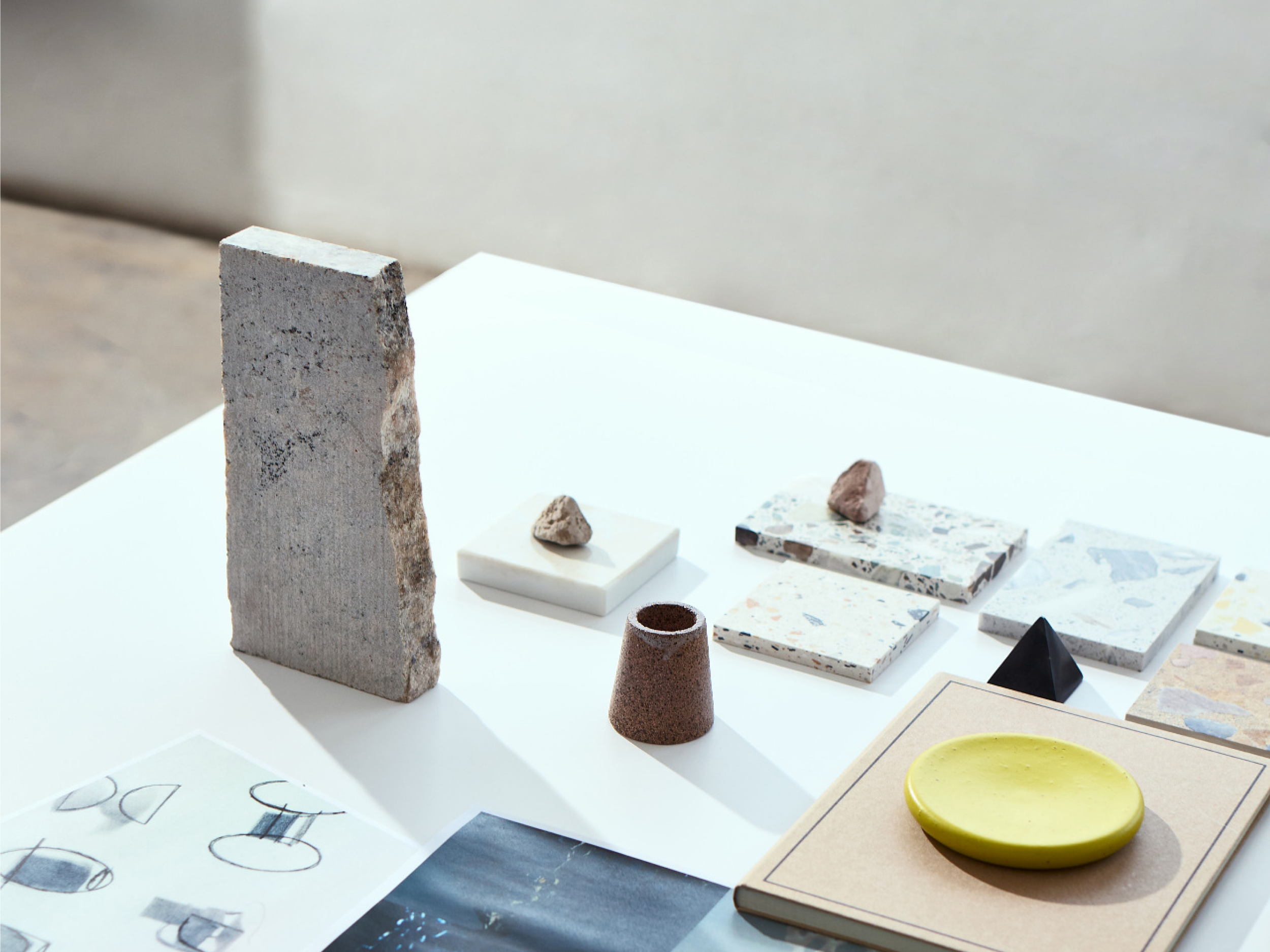
Quartzite: Marble's Tougher Sibling
A true natural stone, not to be confused with engineered quartz, quartzite is harder and more durable than marble while still carrying that same intricate veining. Colors run mostly through whites, grays, and warmer creams rather than the full spectrum. It needs to be sealed to resist staining.
Granite: The Everyday Workhorse
Granite countertops offer one of the widest color ranges of any natural stone and are generally more cost effective than marble or quartzite. It's naturally heat and scratch resistant, but it does need to be sealed periodically to keep it from absorbing oil and liquid.
Marble: Love at First Sight
Marble has survived through thousands of years of civilization; it is the material people fall in love with at first sight, and the one that asks the most of you in return. It stains with wine, citrus, and oil, and it etches, meaning acidic spills leave a dull mark even after cleaning. Edges can chip, and heat is far less forgiving than its reputation suggests: even a hot pan set down briefly can leave a permanent mark or discoloration. Acid, pigment, and heat are the everyday risks to watch for. Plan to reseal it roughly every one to two years depending on how hard your kitchen works.
Soapstone: Built to Age Well
Soapstone countertops are dense and naturally non-porous, so they don't require sealing the way other stones do, though many people apply mineral oil over time to deepen the color. The surface will pick up scratches and small nicks with use, which most owners come to see as character rather than damage. Soapstone comes almost exclusively in shades of gray, sometimes with a greenish cast.
Limestone: Gentle by Nature
Limestone offers a softer, chalkier palette than granite or marble, but it's the highest maintenance of the natural stones. It etches and stains easily, so spills need to be wiped up quickly, and it can scorch under high heat.
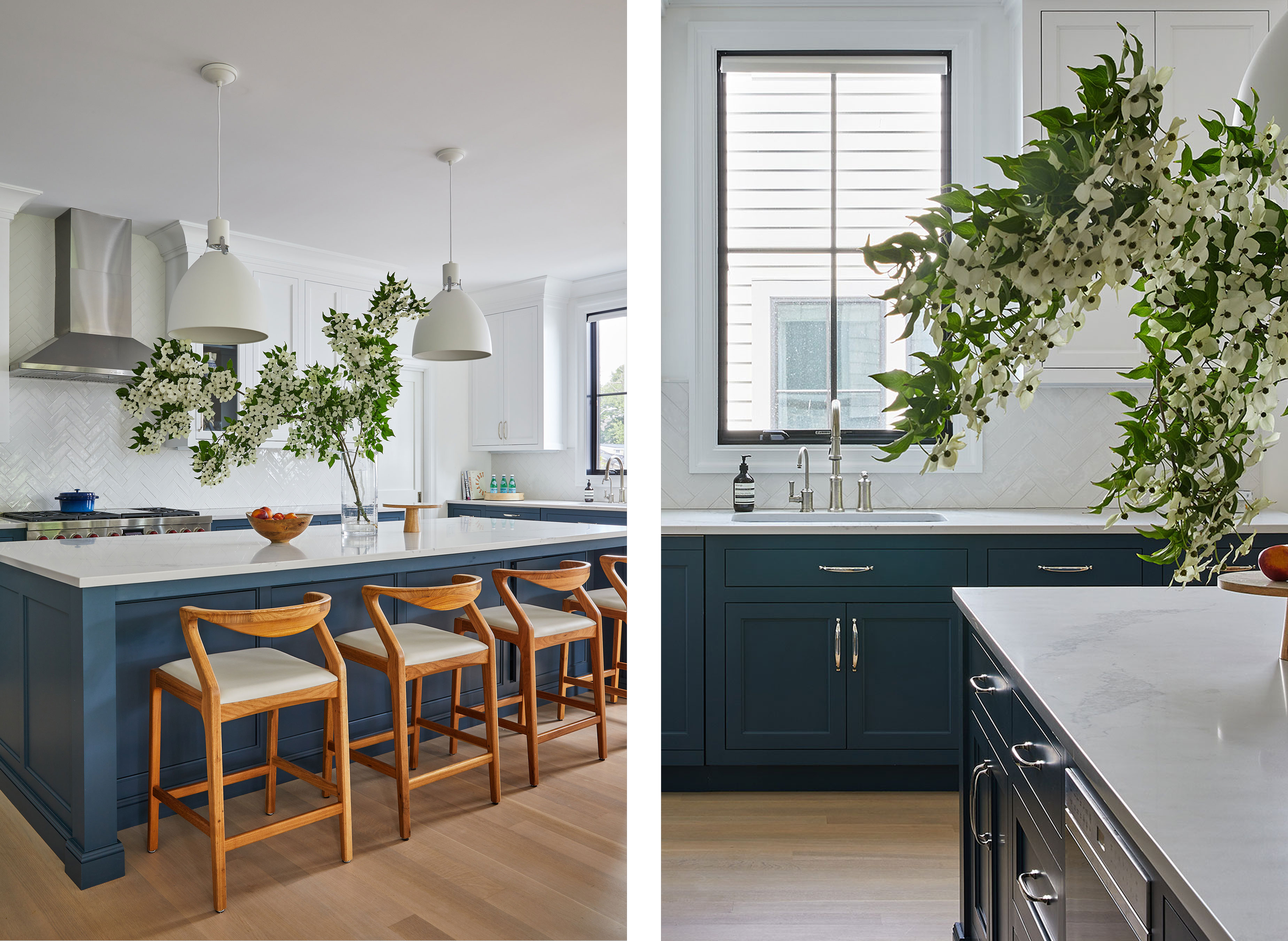
The quartz island in our modern condo in Rye, NY, wooden counter stools pulled up for a morning coffee. Photography: Kirsten Francis
Engineered and Alternative Countertop Materials
Engineered and alternative surfaces trade some of stone's one-of-a-kind character for consistency, and often for a lighter maintenance routine. Quartz, concrete, solid surface, stainless steel, porcelain and wood each behave differently under heat, knives and daily wear, so it's worth knowing the trade-offs before you commit.
Quartz: Built Not Grown
Engineered quartz countertops are among the most practical choices available. The material is non-porous, never needs sealing, and resists stains and everyday impact better than most natural stone. It's marketed as heat resistant, and it largely is, but the resin binder inside it can still discolor or crack under prolonged direct heat, so a trivet is still worth using. Because it's manufactured, every slab looks the same, which some people want and others find a little flat. That consistency suited the quartz island in our Rye, NY condo renovation, anchoring an open plan built for three generations of family gatherings.
Concrete: Shaped Around You
Concrete countertops are fully customizable in color, shape, and thickness, and they develop a genuine patina over years of use, which some clients love and others find frustrating in a kitchen. Concrete resists stains, heat, and water reasonably well once properly sealed, but that seal needs to be maintained and occasionally repolished.
Solid Surface: Second Chances Built In
Solid surface countertops, with Corian being the most familiar, are seamless, non-porous, and genuinely repairable, since scratches and small burns can often be sanded out rather than requiring replacement. The material asks less of an investment than stone, but it isn't heat resistant, so hot cookware needs to stay off it directly.
Stainless Steel: A Chef's Choice
Stainless steel countertops are durable, heat resistant, and completely non-porous, which is why the material is a professional kitchen standard. In a home kitchen, the trade-off is that it scratches over time, shows every fingerprint, and can feel noisy under pots and pans.
Porcelain: Tough by Design
Porcelain countertops, cut from large-format slabs, resist stains, heat, scratches, and even UV fading better than almost anything else on this list, and they're non-porous with no sealing required. The trade-off is mostly aesthetic: edge profiles are more limited than stone, and the material can chip if struck sharply on the edge.
Butcher Block: Built to Be Renewed
Butcher block brings a warmth that none of the above materials really replicate, and it's the one surface here you can sand and refinish rather than replace when it shows its age. It needs to be properly sealed and reoiled regularly, since it's sensitive to standing water and moisture, and it will scratch and dent with daily use. For most people, that's part of the appeal rather than a flaw, a countertop that's allowed to show it's been lived with.
Every Countertop Material Has Its Own Care Routine
Once you've chosen a material, the question shifts from what caught your eye to what it takes to keep it that way. Marble and quartz are cared for in completely different ways, and using the wrong product on either can do real damage. We sat down with Claudia Zimmerman, a cleaning expert and co-founder of the probiotic cleaning line Everneat, to answer the six questions clients ask us most about keeping a countertop looking good. That conversation is coming to the journal next.
The Right Kitchen Countertop Material Fits the Way You Live
The best kitchen countertop material isn't the hardest one or the most beautiful slab in the showroom. It's the one that balances look, durability, upkeep and investment for the way your household actually runs. Get that balance right and the kitchen keeps working, and keeps feeling right, for decades rather than seasons. At Ginger Lemon Indigo we weigh those trade-offs on every project, whether that's a quartz island in Rye or a farmhouse kitchen in Connecticut.
If a larger kitchen project is taking shape, our guide to full service interior design walks through how we manage the whole process, and you can always get in touch to talk through your home.